Oregano: A potent essential oil for human health
11/17/2026 / By Laura Harris
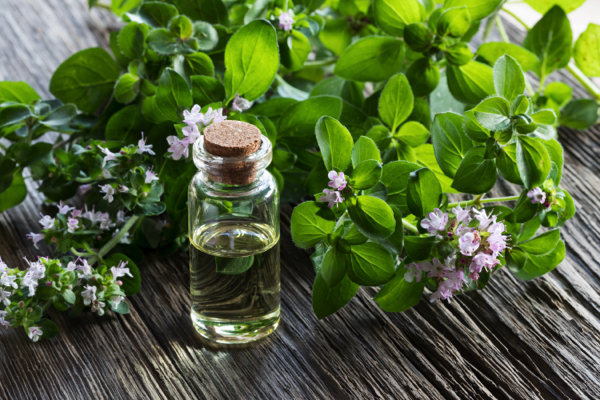
- Oregano (Origanum vulgare) is a hardy perennial herb native to Europe and the Mediterranean, known for its culinary and medicinal uses, belonging to the mint family.
- With roots dating back thousands of years, oregano was valued by ancient Greeks and Romans for both culinary and therapeutic purposes and is now a staple in Italian and Mediterranean cuisine.
- Oregano essential oil, rich in compounds like carvacrol and thymol, offers antimicrobial, anti-inflammatory and antioxidant properties, aiding in digestive health, respiratory issues and fighting pathogens.
- Its oil is widely available as a dietary supplement in various forms, such as capsules and liquid extracts, but quality and standardization vary, so it is important to choose high-quality, organic products.
- Dosage varies depending on the condition, with personalized recommendations for specific health conditions. Always monitor for potential side effects or interactions.
Oregano (Origanum vulgare) is a versatile and aromatic herb that has been used for centuries in cooking and traditional medicine. This hardy perennial plant, native to Europe and the Mediterranean region, belongs to the mint family and is closely related to marjoram.
The essential oil extracted from oregano leaves and flowers is particularly valuable for its potent antimicrobial, anti-inflammatory and antioxidant properties.
History and cultural significance of oregano
Oregano has a rich history dating back thousands of years.
The ancient Greeks and Romans used it not only as a culinary herb but also for its therapeutic properties. The word “oregano” comes from the Greek words “oros” (mountain) and “ganos” (joy), reflecting its ability to bring joy to those who consumed it. In traditional medicine, oregano was used to treat digestive issues, respiratory problems and skin conditions.
Today, oregano is a staple in many cuisines, particularly in Italian and Mediterranean dishes. However, its use extends far beyond the kitchen, as the essential oil has gained recognition for its potential health benefits.
Benefits in human health
Oregano essential oil is rich in compounds such as carvacrol, thymol and rosmarinic acid, which contribute to its potent medicinal properties. Here are some of the key benefits:
- Antimicrobial properties: Oregano oil has strong antibacterial, antiviral and anti-fungal properties, making it useful in fighting various pathogens. Studies have shown that it can inhibit the growth of harmful bacteria like E. coli and Staphylococcus aureus. It is also a useful natural remedy for conditions like sinusitis, urinary tract infections and athlete’s foot as well as acne and wounds.
- Anti-inflammatory effects: The compounds in oregano oil can help reduce inflammation in the body, which is linked to numerous health conditions, including arthritis, heart disease and cancer.
- Antioxidant activity: Oregano oil is a rich source of antioxidants, which help protect cells from damage caused by free radicals. This can contribute to overall health and potentially reduce the risk of chronic diseases.
- Digestive health: Oregano oil can support digestive health by promoting the growth of beneficial gut bacteria and reducing symptoms of indigestion, bloating, stomach pain and irritable bowel syndrome (IBS).
- Respiratory health: Oregano oil can help relieve symptoms of respiratory infections, such as coughs and congestion.
Availability as a supplement
Oregano essential oil is widely available as a dietary supplement. It can be purchased in the form of capsules, liquid extracts or as an oil. However, it is important to note that not all products are created equal. Look for high-quality, organic oregano oil that is standardized for its active compounds, particularly carvacrol and thymol.
The recommended dosage of oregano oil can vary depending on the product and the condition being treated.
For general health maintenance, take one to two drops of oregano oil mixed with a carrier oil, such as olive or coconut oil, once or twice daily.
For specific health conditions, consult a healthcare professional for personalized recommendations, as they can provide tailored advice based on individual needs. For instance, for digestive issues, a common dosage is two to three drops of oregano oil mixed with a carrier oil, taken two to three times daily.
Always start with a low dosage and gradually increase as needed, while monitoring for any side effects or interactions with other medications. It is also important to take certain precautions, such as being aware of potential allergies to oregano or other plants in the mint family and consulting a healthcare professional if experiencing any symptoms.
Additionally, be mindful of potential interactions with other medications, as oregano oil can cause side effects or interfere with their effectiveness.
Watch this video to learn more about the amazing health benefits of oregano.
This video is from the Daily Videos channel on Brighteon.com.
Sources include:
Submit a correction >>
Tagged Under:
alternative medicine, Cures, essential oils, healing, health science, herbal medicine, Herbs, natural antibiotics, natural cures, natural health, natural medicine, Naturopathy, oregano, phytonutrients, plant medicine, remedies
This article may contain statements that reflect the opinion of the author
RECENT NEWS & ARTICLES